International Students Dive Into Baler’s Rich Cultural and Historic Heritage
June 26, 2026
The International Filipino Language and Culture Program and Green and Global Philippines: Language, Culture, and Sustainability Program 2026 Participants completed a comprehensive field and cultural immersion across the historic province of Baler, Aurora on June 18-20, 2026.
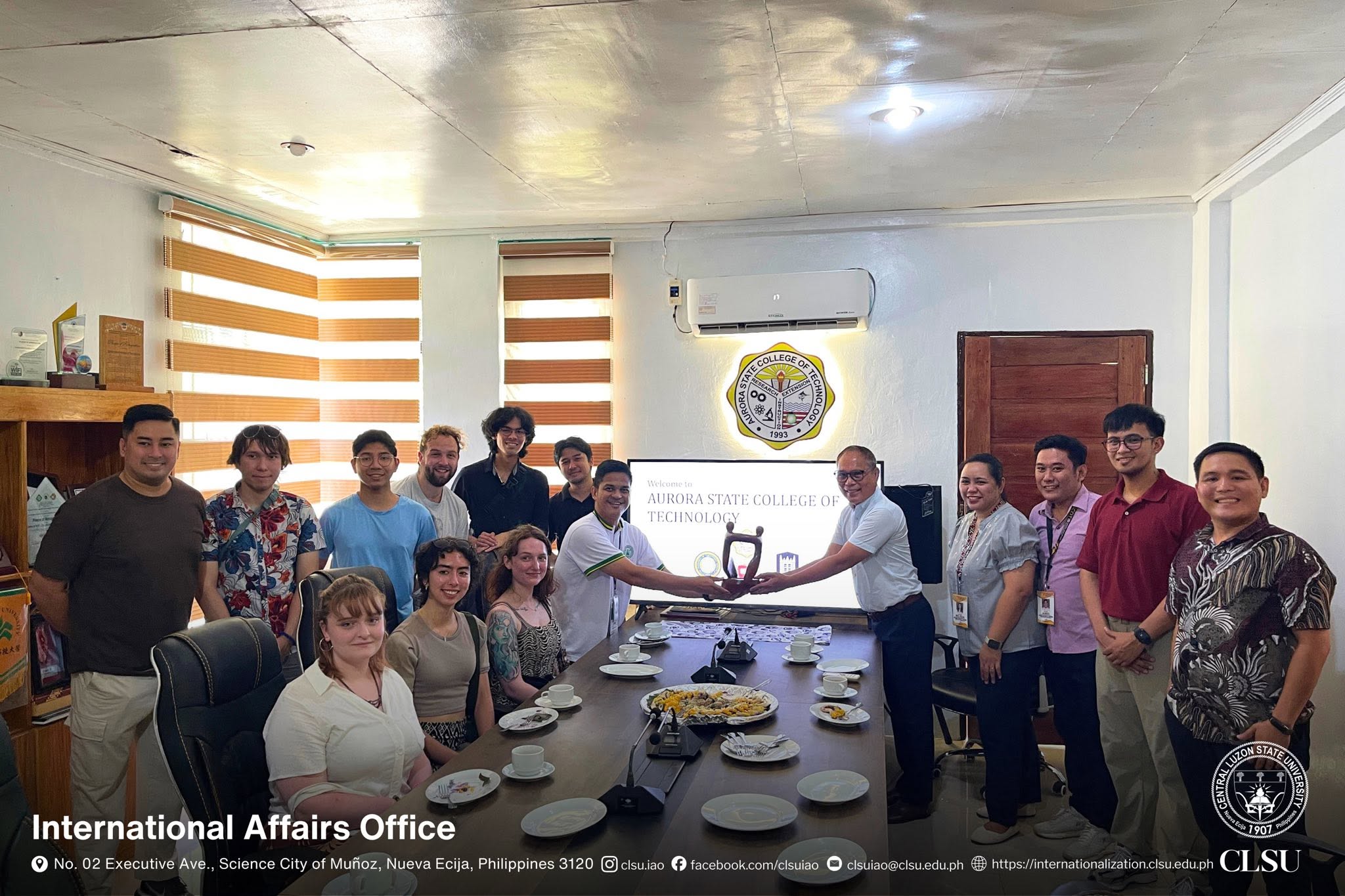
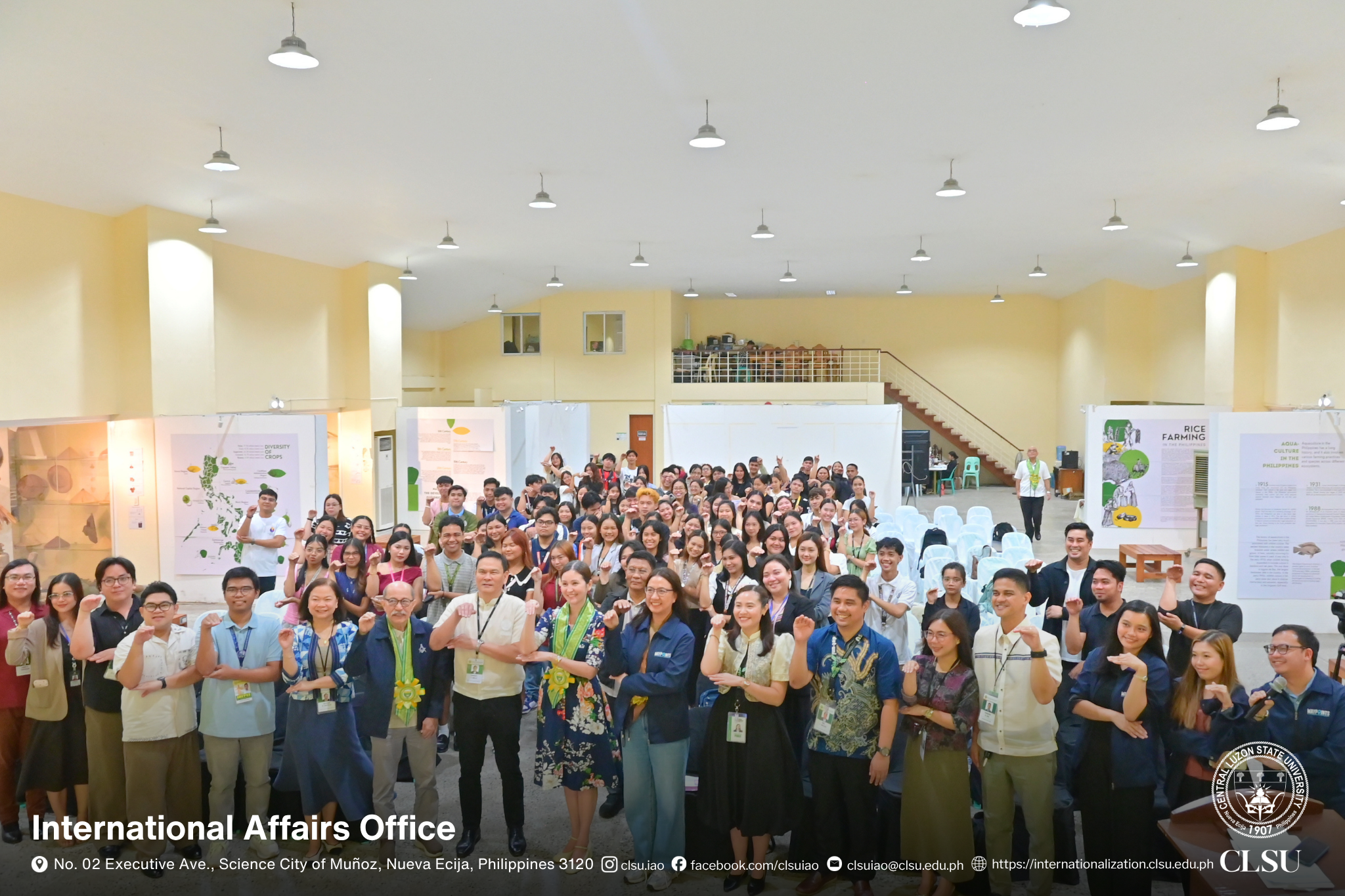
With strong partnership and coordination with our partner higher education institution -Aurora State College of Technology, and also with the local government unit, a courtesy call was made with the ASCOT President Dr. Renato G. Reyes and had meaningful discussions about the rich culture of the Town and the Province. Also, students were invited to participate in the high-level dialogue event held at the campus which centered on the role of higher education institutions in advancing regional internationalization and climate change advocacy. Dr. Reyes highlighted the on-going programs, initiatives, and community based activities of ASCOT.
Guided by members of the Egongot community and Municipal Tourism Officer Mr. Noel Dulay, the participants had the unique opportunity to visit the Museo ng Egongot in Barangay Bayanihan, Maria Aurora where they learned about the tribe’s history, customs, and sacred traditions. To deepen their cultural appreciation, two of them were permitted to try on the traditional Egongot attire.
On the following day, they were able to attend the Waypoints Project’s Blue Economy, Security, Science and Technology (BESST) Roadshow discussing the blue economy, ocean science, maritime security, and opportunities linked to the Philippine Rise.
To complete the experience, they had a hands-on suman-making demonstration led by Ms. Charito Bernardino and members of the Samahan ng mga Magsusuman ng Baler, organized in partnership with Zha’s Native Desserts. Participants learned technical nuances behind crafting Baler’s signature sticky-rice delicacy “suman”.
Additionally, they witnessed the process of weaving the traditional craft of sabutan, personally weaving their own fan through the guidance of the Calabuanan Weavers and Handicrafts Association headed by Ms. Myra Villaflor.
For the sightseeing attractions, the international students also visited the Ermita Hill in Barangay Zabali, Museo de Baler, and some famous pasalubong centers.
Through this initiative, the international students gained more than just an academic overview of the Philippines; they developed a deep understanding of how global sustainability principles must be rooted in local heritage.