The CLSU Center for Tropical Mushroom Research and Development (CTMRD) at Central Luzon State University successfully conducted a hands-on training on Sustainable Tropical Mushroom Pharming for international students during the International Summer Short-Term Program (ISSP) 2025.
The four-day knowledge-sharing activity focused on mushroom biodiversity, molecular identification, practical cultivation technologies, bioactivity profiling, and the development of functional food products derived from Philippine mushrooms.
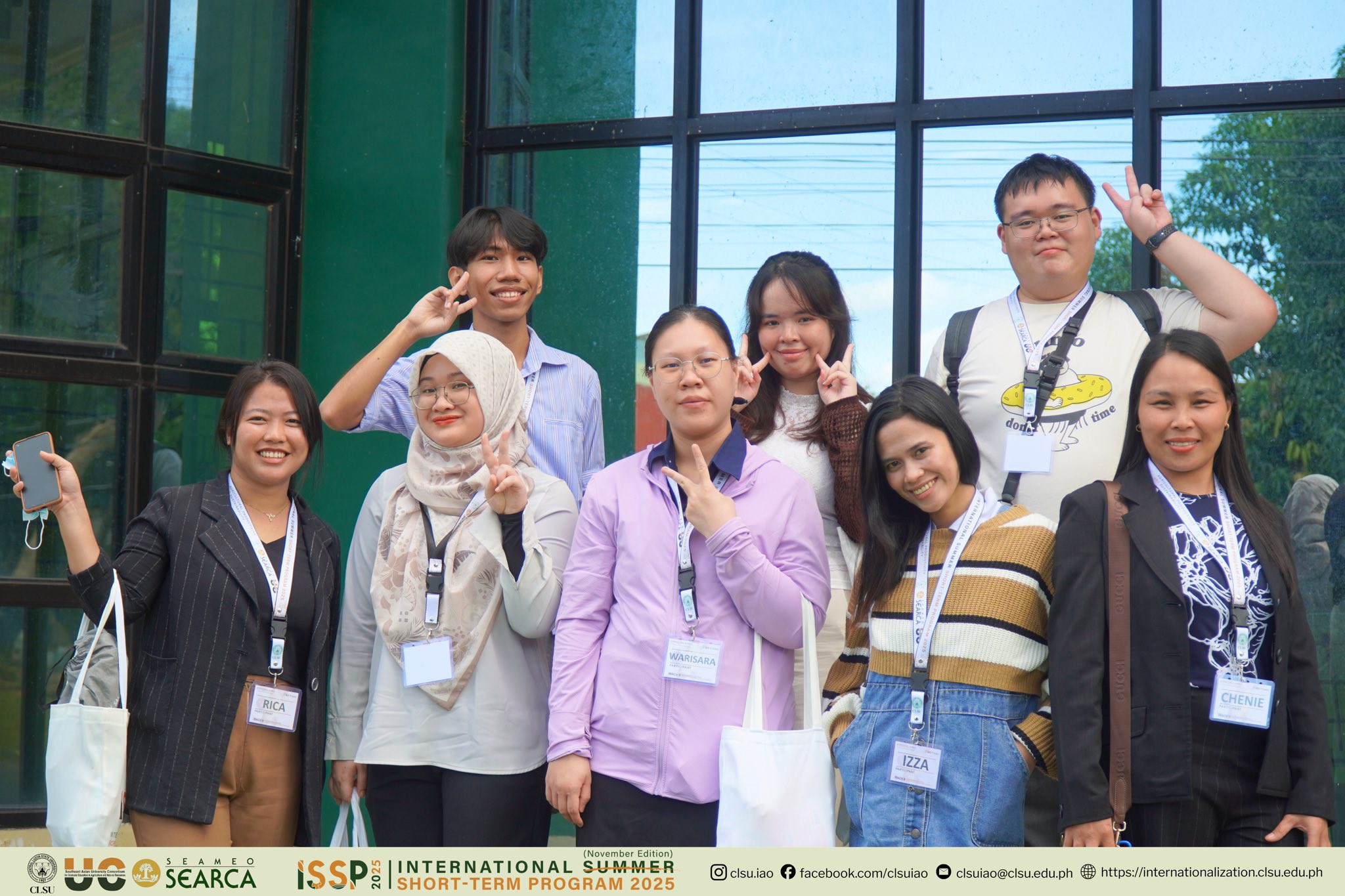
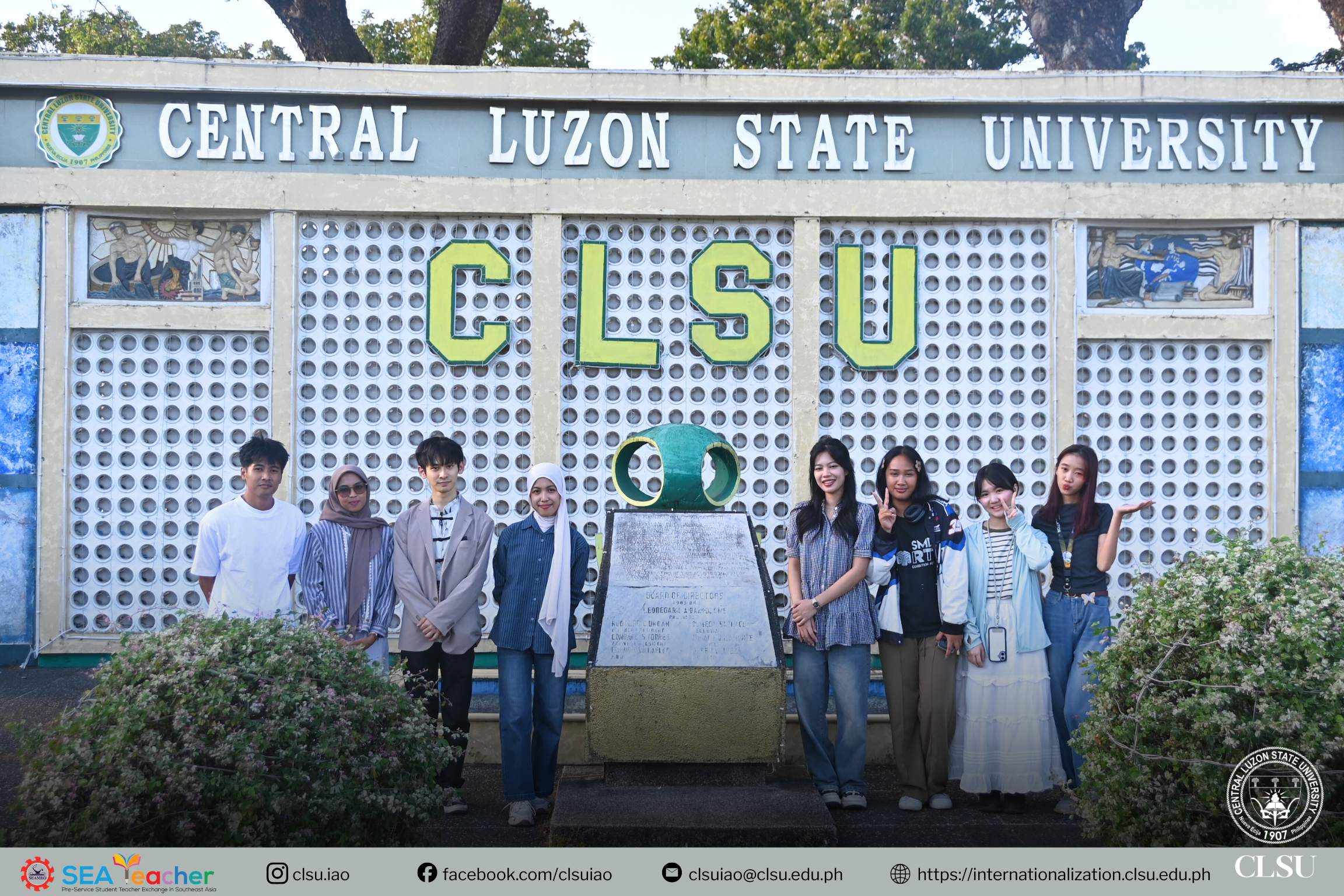
This year’s participants included graduate students from Universiti Putra Malaysia; Central Mindanao University, Auroa State College of Technology, Philippines; National Chiayi University, Taiwan; Maejo University, Thailand; Universiti Teknologi Brunei; and Central Luzon State University, Philippines, who engaged in lectures and laboratory activities designed to strengthen their research competencies in tropical mushroom science and pharming.
The program featured lectures from leading experts in the field, including Prof. Dr. Angeles M. De Leon, Dean of the College of Science, on Ethnomycological Expedition: Exploring the Diversity and Cultural Significance of Philippine Wild Mushrooms; Asst. Prof. Rence Marrion Pineda, on Nucleotide Sequence-Based Identification: Unraveling the Genetic Signatures of Mushrooms; Prof. Dr. Sofronio Kalaw, on Practical Mykultivation Technologies for Growing Edible and Medicinal Philippine Mushrooms Using Agro-Industrial Wastes; Prof. Dr. Rich Milton Dulay, on Bioactivity Profiling of Edible and Useful Philippine Mushrooms; and Ms. Kathlene Claire Gualberto, on Development of Mushroom-Based Functional Food Products.
Hands-on sessions provided participants with extensive laboratory and field experience, including morphometric and molecular identification of mushrooms; mushroom tissue culture; preparation of grain spawns; and guided demonstrations on teratogenicity, brine-shrimp toxicity, and enzyme-based assays.
Participants also worked on the preparation of mushroom-based functional food products.
Established in 1991, CTMRD has evolved from a small Mushroom Technology Laboratory into a premier training and research center committed to advancing mushroom science, generating livelihood opportunities, and supporting food security in the countryside.
Through programs like ISSP 2025, CTMRD continues to champion environmentally responsible, community-oriented, and science-based innovations while equipping local and international scholars with specialized skills in tropical mushroom biotechnology.